프로젝트 개요
- 해결 과제
- 자율주행 이동 수단이 생활 공간의 일부가 될 때, 건물과 차량을 분리하는 기존 유형을 다시 검토할 필요가 있었다.
- 접근 방식
- 건물을 도킹 인프라로 보고, 기능을 가진 이동 모듈이 ‘반쪽 공간’에 접속해 하나의 방을 이루는 Half-Space & Plug-in 시스템을 설계했다.
- 담당 기여
- 미래 이동 환경을 조사하고 건축 유형과 결합 규칙을 설계했으며, 모형과 렌더링으로 사용 시나리오를 시각화했다.
- 결과
- 주거 기능이 필요에 따라 이동하고 교환되는 자율주행 시대의 건축 유형을 제안했다.
건축은 기술과 함께 변화한다
생활 기술의 변화는 건축의 크기와 동선에도 영향을 주었다. 텔레비전과 냉장고는 거실과 주방의 배치를 바꾸었고, 엘리베이터와 자동차는 건물과 도시가 확장되는 방식에 관여했다.
이 프로젝트는 자율주행 이동 수단이 생활 공간의 일부가 된다는 가정에서 출발한다. 이동 기술을 유행어로 사용하는 대신, 차량에 실린 사적 공간과 건물이 제공하는 공용 공간이 실제로 어떻게 접속할 수 있는지 건축 유형으로 구체화했다.
The Evolution of Architecture with Technology
100년 후의 '살기 위한 기계'
100년 전, 르 코르뷔지에는 "집은 살기 위한 기계다"라고 선언했다. 이는 산업혁명 시대의 자동차, 여객선, 비행기 등 기계적 합리성과 표준화를 건축에 도입하여 주거 공간의 혁신을 이루려는 시도였다. 빌라 사보아(Villa Savoye)의 필로티는 당시 증가하던 개인 자동차가 건축과 어떻게 결합할 수 있는지를 보여주는 선구적인 해법이었다.
그로부터 약 100년이 지난 시점에서, 프로젝트는 완전 자율주행을 전제로 운전석이 사라진 차량을 이동하는 사무실이나 휴식 공간으로 해석한다. 이를 바탕으로 이동 모듈이 건물에 접속할 때 어떤 공간과 구조가 필요한지 검토했다.
Half-Space & Plug-in: 반쪽 공간의 결합
본 프로젝트는 건축이 모든 기능을 내포한 완결된 고정체가 아니라, 자율주행 공간과 결합하여 비로소 완성되는 '반쪽 공간(Half-Space)'이 되는 미래를 제안한다.
가령 사무 공간을 생각해보자. '나만의 개인 공간'은 자율주행 모듈 안에 있다. 반면 도심의 오피스 건물은 회의실, 로비, 코어와 같은 '공용 인프라'만을 제공한다. 내가 탄 모듈이 건물에 플러그인(Plug-in) 되는 순간, 나의 사적 공간과 건물의 공용 공간이 결합하여 온전한 기능을 수행하는 사무실이 된다. 업무가 끝나면 모듈은 다시 분리(Plug-out)되어 주거지나 다른 장소로 이동한다.
고정된 건축 유형을 다시 구성하기
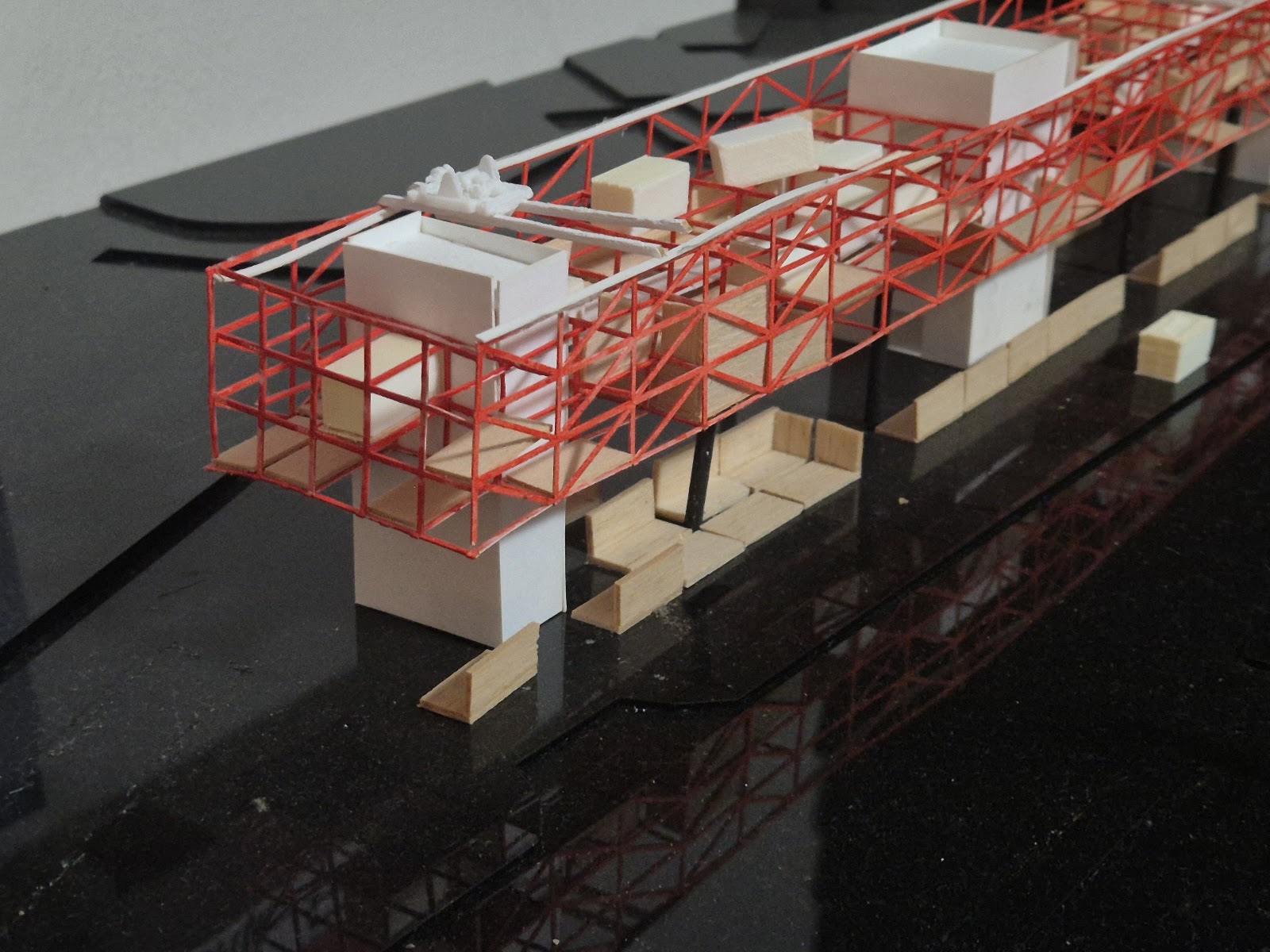
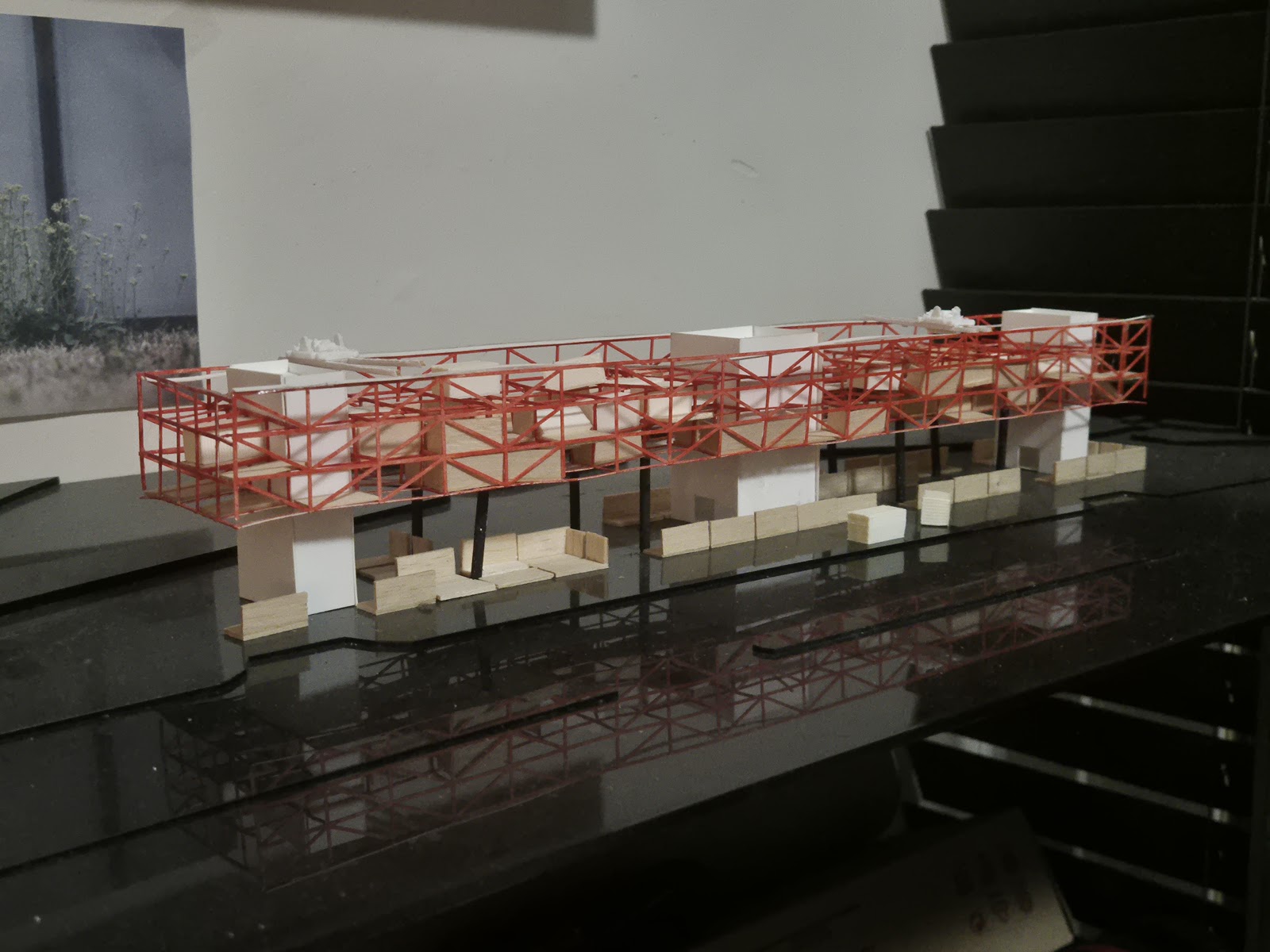
제안에서 건물은 모든 기능을 고정해서 담는 완결된 객체가 아니라 이동 모듈이 접속하는 기반 시설이다. 입면은 사용자의 모듈이 붙고 떨어지는 상태에 따라 달라지며, 내부 프로그램도 접속한 모듈의 기능에 따라 변한다.
프로그램을 미리 하나로 정하기보다 여러 기능이 결합하고 분리되는 규칙을 설계했다. 사용자는 필요한 모듈을 선택하고, 건물은 공용 공간과 구조·설비를 제공한다. 이 관계를 통해 이동 수단과 건축의 경계를 다시 정의하고자 했다.
Urban Context: Dynamic Cityscape
English
Architecture Evolving with Technology
Changes in domestic technology have influenced the size and circulation of buildings. Televisions and refrigerators altered living rooms and kitchens, while elevators and automobiles affected how buildings and cities expanded. This project asks how architecture might respond if autonomous vehicles become part of everyday space.
A Machine for Living: 100 Years Later
A century ago, Le Corbusier described the house as a machine for living and used the pilotis of Villa Savoye to accommodate the automobile. This project applies a similar question to a hypothetical fully autonomous vehicle: if the driver's seat disappears, the vehicle can also operate as an office or rest space. The design examines how that mobile room might connect to a building.
Half-Space & Plug-in Architecture
This project proposes a future where architecture is not a fixed, complete entity but a 'Half-Space' that is completed only when combined with autonomous mobility modules.
Imagine an office: your private workspace is inside your autonomous module, while the building provides shared infrastructure like meeting rooms and cores. When your module plugs in to the building, the two halves merge to form a complete functional space. Upon completion, the module plugs out and moves on.
Reconfiguring a Fixed Building Type
The proposal treats the building as infrastructure rather than a container with every function fixed in place. Its facade and internal program change as user modules dock and undock. Users select the modules they need, while the building provides shared rooms, structure, and services.